A borderline case: how the clinic decides to treat or extract
Two dentists can read the same X-ray differently. Here is how we discuss complex cases — and why that works in the patient’s favour.
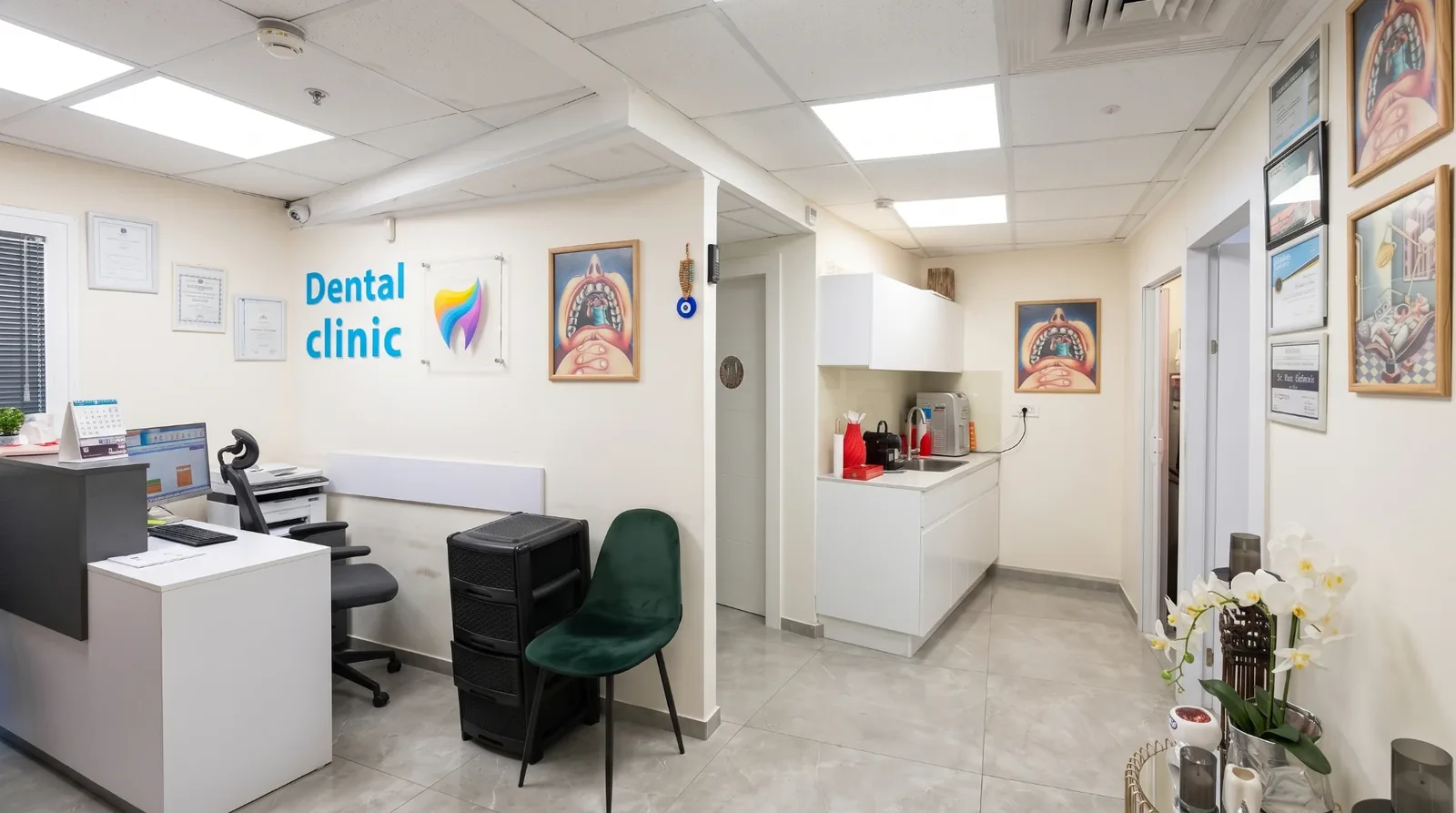
Some situations are clear-cut. Others are borderline: the tooth is damaged but not hopeless; the root was treated but the inflammation persists; there is little bone, though perhaps enough. Those are exactly the cases where the cost of a mistake is highest — an extracted tooth does not come back.
How we do it
The dentist in charge of the patient sends the images and case description to colleagues: surgeons, the endodontist, the prosthodontist. Each looks from their own angle — can the canal be treated, will the tooth hold a crown, what happens to the neighbouring teeth, is there enough bone for an implant. Sometimes the discussion takes a day, sometimes an hour.
What this approach gives
- the choice between keeping and extracting follows the whole picture, not one specialty
- the prosthetic plan is thought through in advance, not after the extraction
- the patient gets clear alternatives with the pros and cons of each
- the responsibility does not rest on one person
We are also honest that opinions sometimes differ. In that case the patient hears both: what an attempt to save the tooth offers, how long it may last, and how the implant scenario compares. The final decision belongs to the person who has to live with it — but it is made with the real picture in view, not a single version of it.