Bruxism: does Botox help, and what if a night guard is not enough
Night-time clenching destroys both teeth and restorations. Here is where a guard fits, where injections into the chewing muscle fit, and why it does not work for everyone.
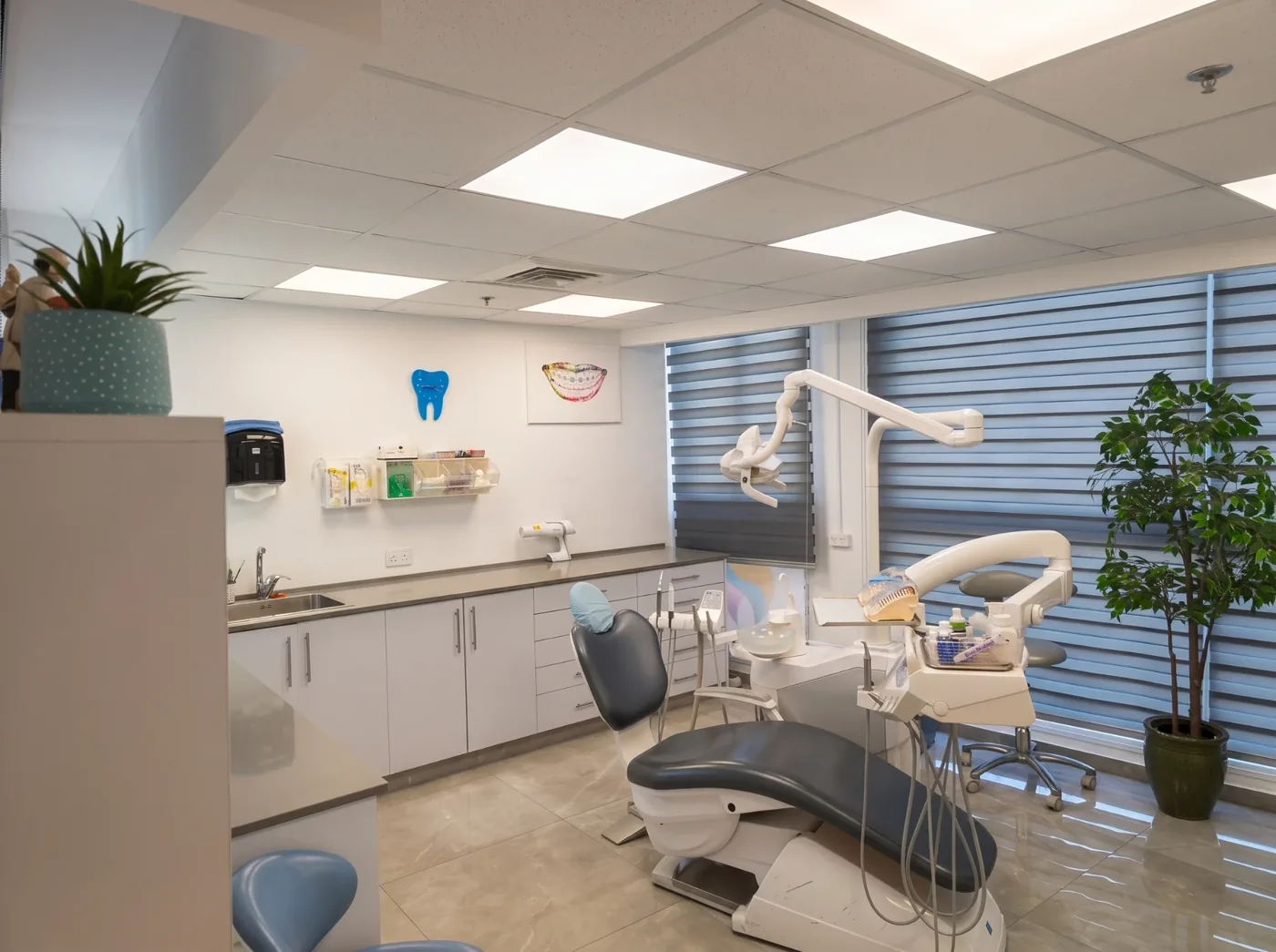
With bruxism a person clenches and grinds their teeth in their sleep without being aware of it. The force during sleep is many times higher than in normal chewing — hence chipped enamel, cracks, worn teeth and broken crowns.
The night guard: the first and main tool
A protective guard takes the load instead of the teeth. It does not cure the habit, but it saves teeth from damage, and in most cases that is enough. Not always though: in patients with very strong chewing muscles an ordinary guard can wear through in weeks. Then we make a thicker and harder one.
Where Botox helps
An injection into the chewing muscle reduces the force of its contraction. The muscle stops working at its limit, the load on the teeth drops, and for some patients morning pain in the jaw and temples goes away as well. As a side effect the lower third of the face gradually looks softer — noticeable when the muscle is markedly enlarged.
Honest limits of the method
- the effect is temporary — three to six months, then it has to be repeated
- it does not help everyone: for some patients the product simply does not deliver
- Botox removes force, not cause — stress and sleep problems remain
- where the bite is already destroyed, injections do not replace restoring the teeth
So the sensible order is usually this: protect the teeth with a guard and assess the damage, add injections if needed, and work on the cause in parallel. Waiting for it to pass on its own is the most expensive strategy of all.